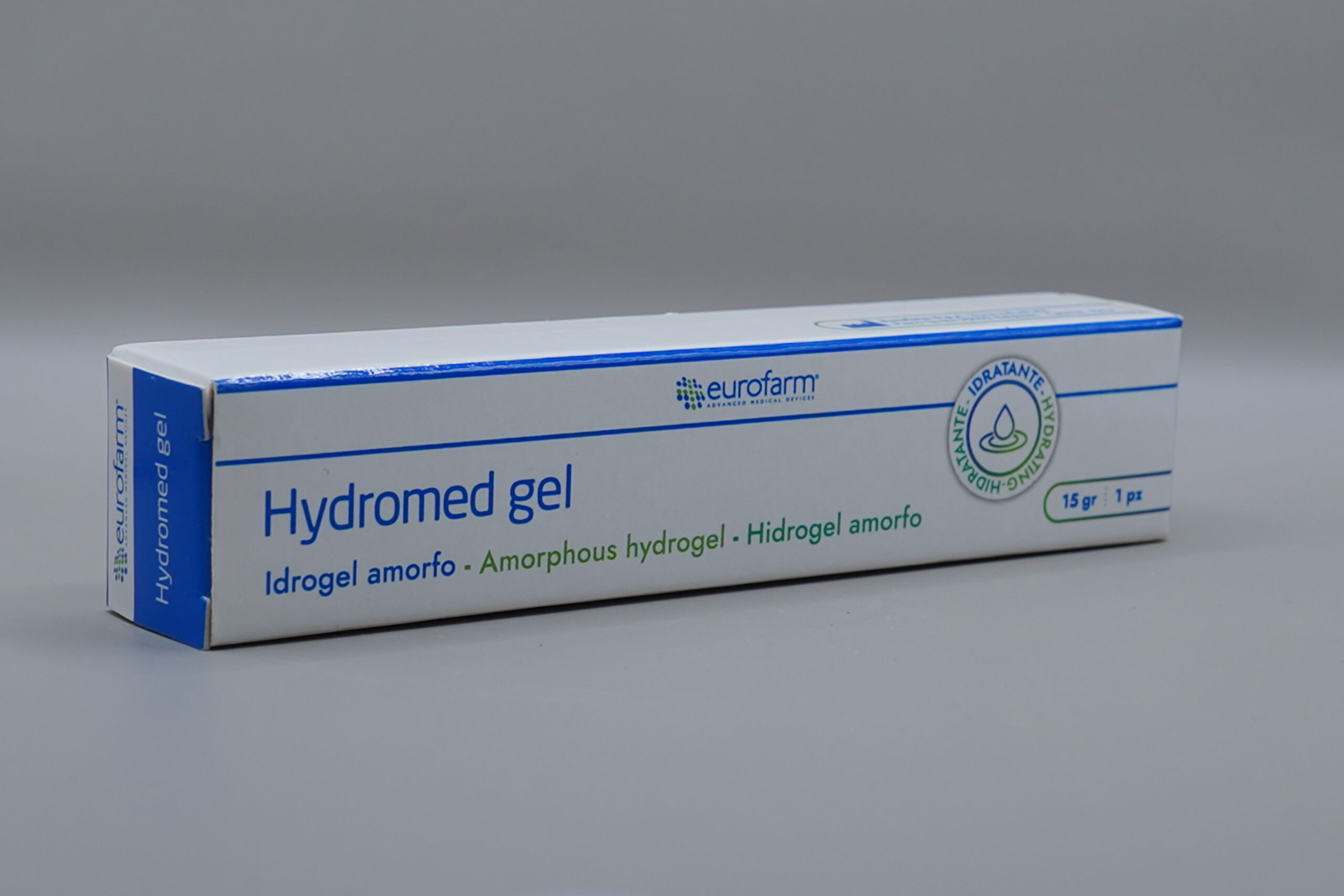
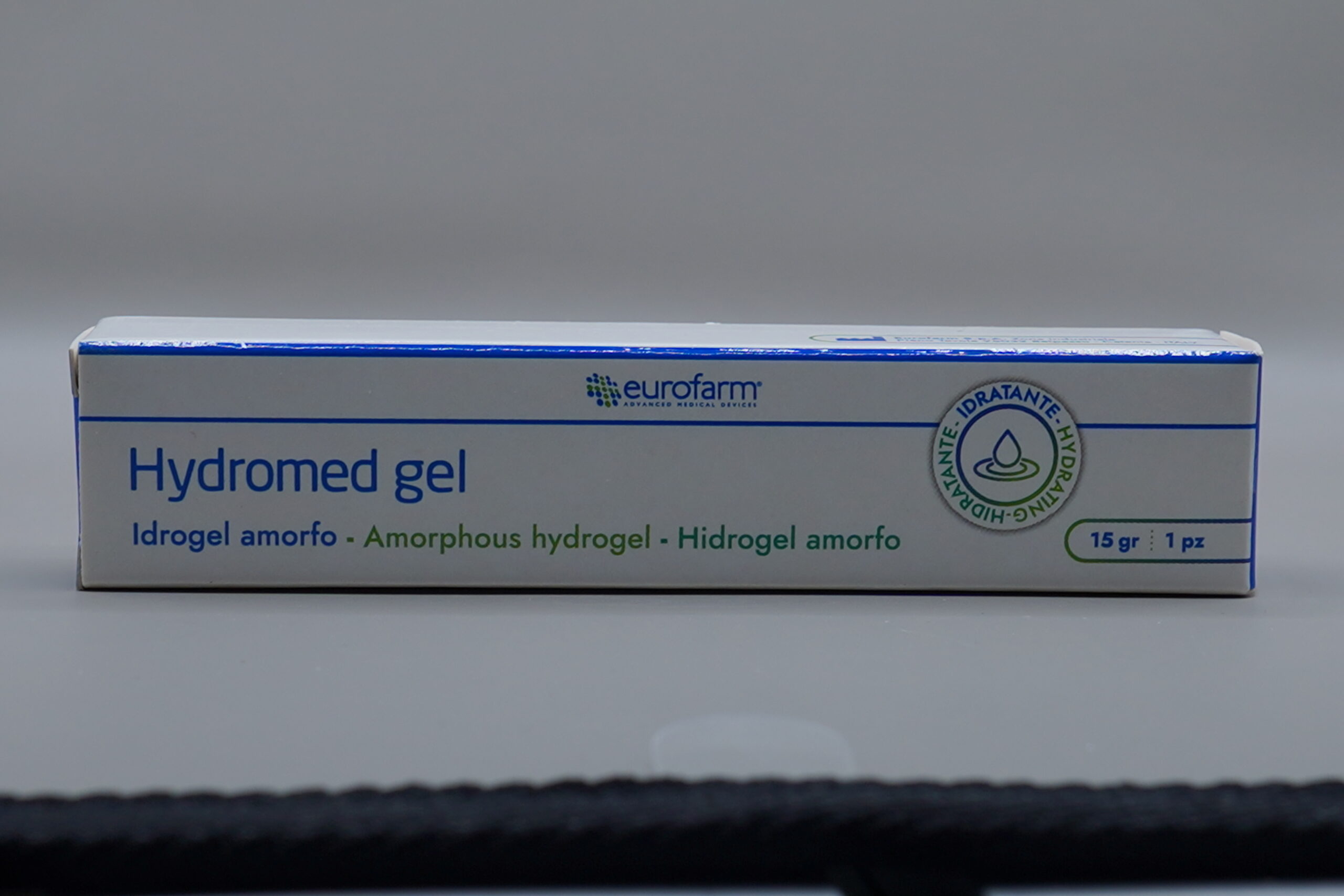
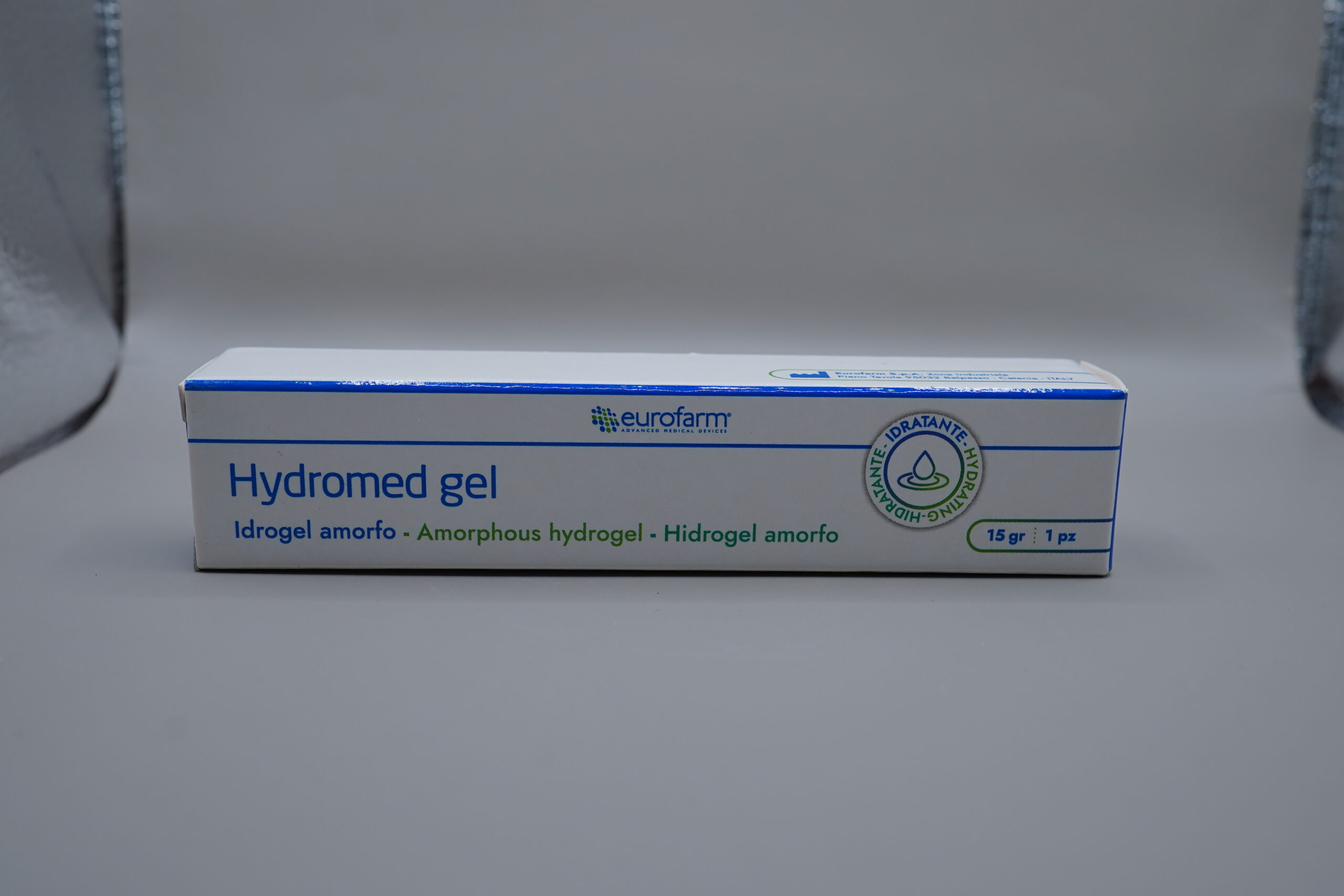

Description
Description
Why Choose Hydromed?
Moist Healing Environment: Maintains the wound’s natural moisture, accelerating granulation tissue formation and preventing the formation of hard, dry scabs that delay healing.
Autolytic Debridement: The dressing helps the body naturally and painlessly shed necrotic tissue and slough, as the gel formed softens these tissues.
Protective Barrier: The outer layer is water-resistant and bacteria-proof, protecting the wound from external contamination (urine, feces, germs) and allowing the patient to shower without changing the dressing.
Visual Change Indicator: As the dressing absorbs exudate, it changes color and swells (a white bubble appears), providing a clear indication of when it needs changing without having to uncover the wound daily.
Key Specifications
Product Name: Hydromed.
Type: Hydrocolloid Dressing.
Material: Flexible polymer matrix containing hydrophilic particles (CMC).
Adhesion: Self-adhesive (requires no extra tape).
Sterilization: Gamma Irradiated.
Thickness: Typically available in various thicknesses (Standard and Thin) for protection or flexibility.
Indications
Hydromed is used for wounds with light to moderate exudate, such as:
Pressure Ulcers: (Stage I and II) for prevention and treatment.
Leg Ulcers: (Venous and Arterial) in the final healing stages.
Minor Burns: First and superficial second-degree burns.
Skin Donor Sites.
Abrasions and Grazes: To reduce pain and prevent inflammation.
How to Use:
(For Professionals & Caregivers)
Warning: Do not use on heavily infected wounds (with lots of pus) or very deep wounds (exposing muscle/bone) without medical consultation.
Preparation: Wash the wound with saline and dry the surrounding skin completely (the dressing will not stick to wet skin).
Warming: It is recommended to warm the dressing between your hands for a minute before opening to increase pliability and adhesion.
Application: Peel off the release liner and apply Hydromed to the center of the wound, ensuring it overlaps the wound edges by 2-3 cm.
Secure: Smooth down the edges with your hand to ensure a tight seal.
Change: It can remain in place for several days (3-7 days). Change it when the white bubble (formed gel) reaches the edges of the dressing.
الوصف
لماذا تختارين هيدروميد؟
بيئة شفاء رطبة: تحافظ على الرطوبة الطبيعية للجرح، مما يسرع عملية بناء الأنسجة (Granulation) ويمنع تكون قشرة جافة صلبة تؤخر الشفاء.
التنضير الذاتي (Autolytic Debridement): تساعد الضمادة الجسم على التخلص من الأنسجة الميتة والقيح بشكل طبيعي وبدون ألم، حيث يعمل الجل المتكون على تليين هذه الأنسجة.
حاجز واقي: الطبقة الخارجية مقاومة للماء والبكتيريا، مما يحمي الجرح من التلوث الخارجي (البول، البراز، الجراثيم) ويسمح للمريض بالاستحمام دون تغيير الضمادة.
مؤشر تغيير بصري: عندما تمتص الضمادة الإفرازات، يتغير لونها وتنتفخ (تظهر فقاعة بيضاء)، مما يعطي مؤشراً واضحاً لموعد الحاجة لتغييرها دون الحاجة لكشف الجرح يومياً.
المواصفات الأساسية
اسم المنتج: هيدروميد (Hydromed).
النوع: ضمادة هيدروكولويد (Hydrocolloid Dressing).
المادة: مصفوفة بوليمرية مرنة تحتوي على جزيئات محبة للماء (CMC).
الالتصاق: ذاتية اللصق (لا تحتاج شريطاً إضافياً).
التعقيم: معقمة بأشعة جاما.
السُمك: تتوفر عادة بسماكات مختلفة (Standard و Thin) حسب الحاجة للحماية أو المرونة.
دواعي الاستخدام
تستخدم هيدروميد للجروح ذات الإفرازات الخفيفة إلى المتوسطة، مثل:
قرح الفراش: (الدرجة الأولى والثانية) للوقاية والعلاج.
قرح الساق: (الوريدية والشريانية) في مراحل الالتئام الأخيرة.
الحروق الطفيفة: الدرجة الأولى والثانية السطحية.
المناطق المانحة للجلد (Donor Sites).
الخدوش والكشط: لتقليل الألم ومنع الالتهاب.
طريقة الاستخدام:
(للمختصين ومقدمي الرعاية)
تنبيه: لا تستخدمي الضمادة على الجروح الملتهبة بشدة (التي بها صديد كثير) أو العميقة جداً (التي تظهر العضلات/العظام) دون استشارة طبية.
التجهيز: اغسلي الجرح بمحلول ملحي وجففي الجلد المحيط به تماماً (الضمادة لا تلتصق على الجلد الرطب).
التدفيئة: يُفضل تدفئة الضمادة بين كفي اليد لمدة دقيقة قبل الفتح لزيادة ليونتها وقوة التصاقها.
التطبيق: انزعي الغلاف الواقي، وضعي هيدروميد بمنتصف الجرح، بحيث تغطي حواف الجرح بمسافة 2-3 سم زيادة.
التثبيت: ملسي الحواف بيدك لضمان إغلاق محكم.
التغيير: يمكن أن تبقى لعدة أيام (3-7 أيام). يتم تغييرها عندما تصل الفقاعة البيضاء (الجيل المتكون) إلى حواف الضمادة.